Nutrition x Women’s Health: How to eat for your healthspan
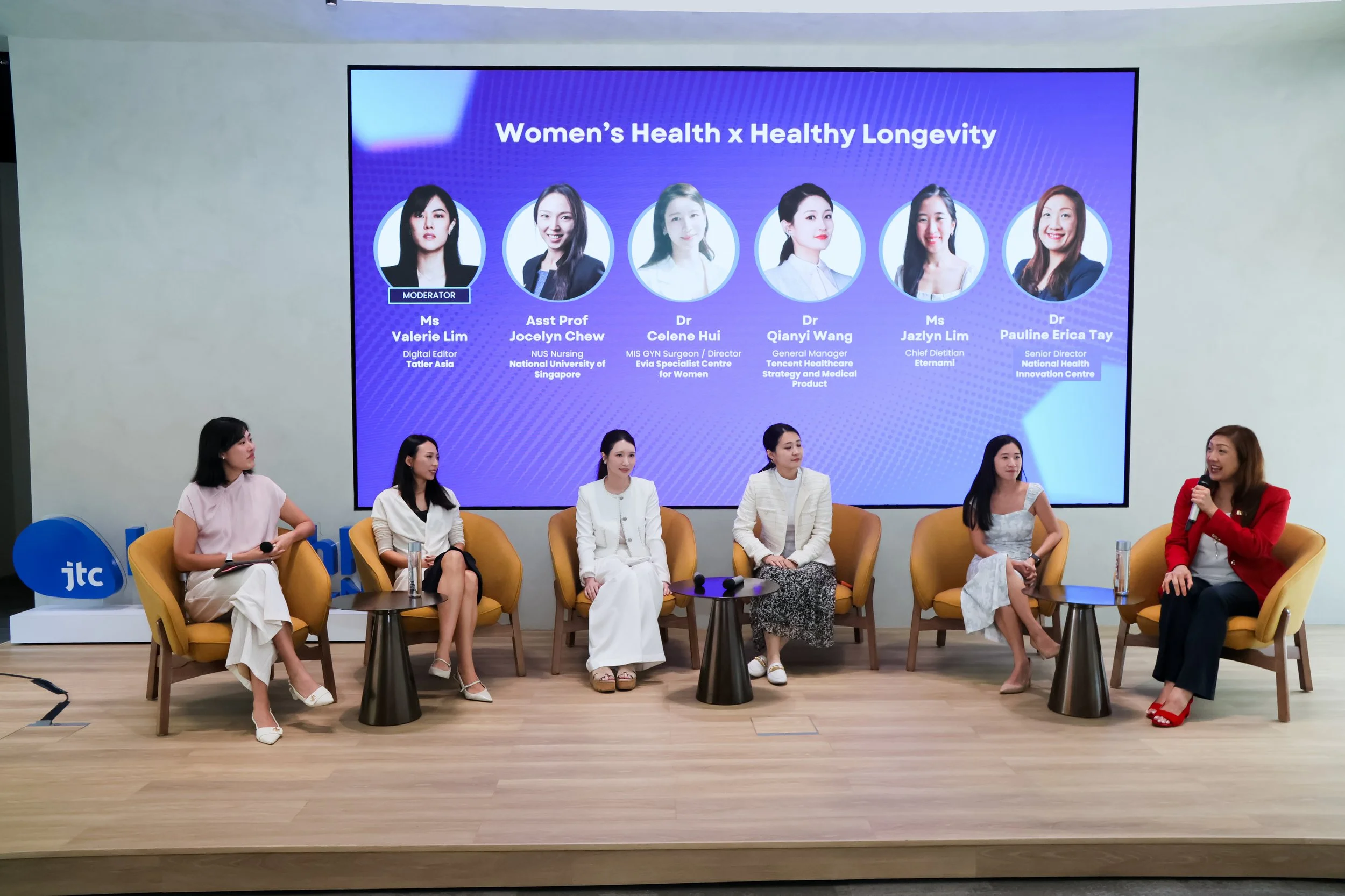
We are living longer than ever, but are we living better? At the recent Nutrition x Women's Health panel, dietitian Jazlyn Lim broke down why the conversation around female wellness needs a major upgrade. It is time to shift the focus away from traditional "anti-aging" and toward functional, long-term longevity.
Here are the core, evidence-based takeaways from the panel on how women can actively shape their healthspan through nutrition.
1. Stop Chasing "Anti-Aging"—Focus on Healthspan
The wellness industry has historically conditioned women to focus on outward appearances, chasing a number on the scale or fighting visible signs of aging. Jazlyn highlighted a crucial paradigm shift: the real goal is healthspan—the number of years you spend in good physical, cognitive, and metabolic health.
From a clinical nutrition perspective, this means managing what is happening internally. Rather than restrictive diets meant to shrink the body, the focus must shift to reducing chronic inflammation, preserving gut health, and supporting metabolic flexibility long before disease symptoms appear.
2. Your Changing Recovery is Hormonal, Not "Lazy"
A common frustration among women in their late 30s, 40s, and beyond is that the intense exercise and diet routines that worked in their 20s suddenly stop working. When recovery slows down, many women mistakenly blame themselves for a lack of discipline.
During the panel, Jazlyn unpacked the science of perimenopause and menopause. As estrogen and progesterone levels fluctuate and decline, the female body becomes more sensitive to stress and less efficient at recovering from high-intensity output. Nutrition must adapt to support this hormonal shift. This means prioritizing restorative, anti-inflammatory whole foods rather than severe calorie restriction, which can actually drive up cortisol and force the body to hold onto stubborn weight.
3. Muscle is Your Longevity Organ
If there is one non-negotiable dietary priority for female longevity, it is preserving lean muscle mass. Muscle is a metabolic sink that helps regulate blood sugar, supports bone density, and maintains functional independence as we age.
Women naturally lose muscle mass as they age (a process called sarcopenia), making protein intake critical. Jazlyn advises women to step off the endless treadmill of chronic cardio and instead combine consistent strength training with optimised protein intake to build a resilient body for the future.
4. Use Data as a Guide, Not a Goal
With the rise of wearables, women are tracking everything from VO2 max to daily sleep scores. While this data-driven approach empowers us with health insights, Jazlyn warned against letting the numbers become a new source of anxiety.
Instead of obsessing over daily weight fluctuations, she recommends tracking markers that reflect how your body actually functions:
Blood sugar stability (sustained energy versus afternoon crashes)
Heart rate variability (HRV) (how well your nervous system recovers from stress)
Strength benchmarks (your ability to perform daily physical tasks with ease)
Key Takeaway: Long-term health is built on sustainable habits, not perfect numbers. You don't need a flawless diet; focus on the fundamentals—whole foods, adequate protein, consistent sleep, and stress management—to function better for longer.